
Understanding 'Player Community' and the integral role of SS33.
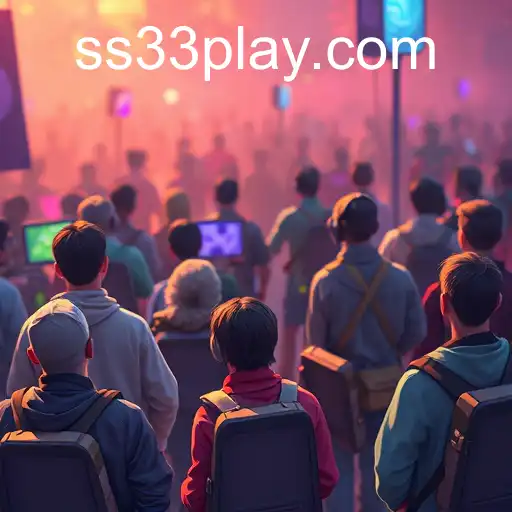
The Vibrant World of Player Communities
Online gaming has significantly evolved over the past few decades. The scope of video games extends beyond single-player campaigns, fostering dynamic and engaging player communities. These communities serve as social networks where players connect, share, and collaborate for enriching gaming experiences. Within this realm lies a specific term gaining traction: SS33.
Understanding Player Communities
Player communities are fundamental in gaming ecosystems, particularly in Massively Multiplayer Online (MMO) and multiplayer games. They provide a platform where players engage in discussions, share strategies, and forge relationships. These interactions often lead to the formation of bonds that can extend beyond the virtual world.POPLUZ
Such communities promote camaraderie and teamwork among players. Gamers gather in forums or social media platforms, contributing to vibrant, ever-evolving discussions. Dedicated players participate in guilds or clans, enhancing their engagement and commitment to the game. This collaborative environment encourages a sense of belonging, as players strive toward common goals such as unlocking achievements, progressing through leaderboards, or winning competitive matches.
The Role of SS33 in Gaming Communities
The term SS33 has gained recognition as part of the gaming lexicon, often used as a reference point within these communities. SS33 signifies a particular strategy, gameplay technique, or influential player or faction that sets trends within a game.SP1.GAMES
SS33 embodies the spirit of tactical mastery and peer-driven knowledge transfer. It demonstrates how certain players or strategies can become legendary within a community, influencing others to adopt similar approaches. This not only enriches the gaming experience but also adds an exciting layer of narrative and legacy to player communities.
For example, a player utilizing an SS33 approach may demonstrate an exceptional understanding of game mechanics, exhibit unparalleled skill, or consistently perform at a high level. Their gameplay becomes a template for others to emulate, contributing to a shared strategy that enhances the community's competitive edge.
Fostering Innovation and Creativity
Player communities thrive on innovation and creativity, constantly reshaping player experiences. The concept of SS33 propels this cycle, encouraging players to think outside the box and explore unconventional methods to achieve success within a game.
Game developers often integrate community-driven strategies and feedback into their updates and patches. This consideration acknowledges the influence of communities in shaping a game's evolution. As players propose new tactics or identify emerging trends, the game environment becomes more dynamic and adaptive. SS33 serves as a catalyst for these advancements, as it often denotes pioneering efforts that result in new gameplay paradigms.
Building a Supportive Environment
Beyond gameplay, player communities also play a crucial role in building supportive networks where members can share not only game-related insights but also personal challenges and triumphs. By adopting and discussing labels like SS33, players can express mutual respect and admiration, fostering positive reinforcement and encouragement among members.UU555
FolkBetSupport within these communities can extend to technical assistance, emotional support, and even real-life collaborations. Many players find lifelong friends or mentors within these groups, significantly enhancing their gaming experiences and personal lives. This tight-knit connection allows the exchange of diverse perspectives, promoting a welcoming atmosphere where all members, regardless of skill level, can feel valued and heard.
Challenges and Opportunities in Evolving Player Communities
As player communities evolve, they face challenges such as maintaining inclusivity, managing conflicts, and ensuring respectful discourse. However, these challenges also present opportunities for growth, as players strive to create more positive and inclusive environments.
Implementing structures and community guidelines that promote constructive interactions can help mitigate conflict and encourage harmonious relationships. Community leaders or moderators play a vital role in guiding discussions and ensuring adherence to positive community standards.
Moreover, communities can adopt and promote values inspired by the SS33 ethos, emphasizing fairness, skill development, and mutual respect. These principles encourage members to contribute positively and constructively, fostering an environment that supports collective success.
Conclusion
YU777The essence of SS33 in player communities underscores the dynamic and vibrant nature of gaming ecosystems. As players continue to interact, innovate, and inspire each other, these communities will remain integral to the gaming experience, pushing boundaries and enriching the digital world.